
Views: 0 Author: Site Editor Publish Time: 2026-08-10 Origin: Site


Using worn-out plasma cutter consumables can permanently damage your torch head and waste costly metal scrap. You need to notice visual, physical, and performance warning signs before a total torch failure ruins your work. Poor cut quality shows you are in immediate danger, so inspect your equipment right away. Finding any of these five main signs means you must replace the parts immediately.
Check your torch pieces often so you can spot green flames, melting copper, or deeper hafnium holes.
Swap out broken nozzles and swirl rings right away to avoid messy cuts, thick slag, and torch sparking problems.
Keep your compressed air clean and use the right torch height to save money and protect your torch head.
Watch the color of your plasma stream closely while cutting metal. A bright blue or purple light means your machine is working correctly. You need to check the arc often as you cut metal in your shop. Looking at the flame helps you find worn parts before the torch breaks completely. Checking your equipment saves time and protects your expensive metal from getting ruined.
A bright green flame means your torch is in serious danger. This green color shows that the small hafnium center in your electrode is totally gone. High heat then reaches the copper holding the center part inside. The copper metal quickly melts under this strong heat. Burning copper causes the green flame right away. If you keep cutting, you will destroy the electrode and ruin your torch head.
You will see and hear clear warning signs before the parts break completely. A good plasma arc makes a steady, smooth humming sound. When copper melts, it makes a loud, harsh buzzing noise inside the torch body. This quick sound change warns you that your parts are badly worn out. Machine workers must listen carefully to these clear sound changes.
Your automatic torch height controller will also act strangely while you cut. This device constantly measures changes in the electricity of the arc. A bad electrode ruins this steady electrical flow right away. The controller then pushes the torch into the metal or pulls it up suddenly. Turn off the plasma machine immediately and swap out your old electrode. Changing parts fast stops permanent torch damage.
Image Source: pexels
Too much heat quickly ruins your plasma torch parts. Slow torch movement, bad coolant, and dirty air cause high heat. This strong heat bends the tip hole shape. A worn insulator also lets extra arcs form. This extra arc burns metal very fast. You must check the nozzle hole often for damage. You need to swap the part when your checks show these issues:
The hole edge looks round instead of sharp
The center hole moves to one side
The hole gets too big or holds metal drops
The outer face has big chips or deep cracks
Makers use special tools to check if the hole is centered. You can use a magnifying glass at your bench to find surface damage. Checking the hole under bright light shows small hidden pits. You must throw away any burnt nozzle right away to stop total torch failure.
Melted metal buildup on your shield cap stops smooth air flow. Setup mistakes like wrong torch height or bad voltage hurt your plasma cutter consumables. Extra metal spatter easily clogs the tiny shield holes during deep cuts.
Clogged holes stop the shield gas from swirling around the electrode. The gas flows straight out instead. This bad gas flow ruins the arc and makes your cuts look terrible. You must scrape metal off your shield cap to keep gas moving well. Swap the shield cup or swirl ring if dirt, grease, or cracks block the gas paths.
Check the center part of your electrode during regular machine care. The plasma arc burns a tiny shallow pit into the hafnium naturally. Use a magnifying glass to look closely at this worn hole. A simple depth gauge tool measures the exact size of this wear.
According to Hypertherm's preventive maintenance guidance, the hafnium pit depth in the center of the electrode should not exceed 1.6 mm or 1/16 inch. Deeper pitting or excessive wear means the electrode should be replaced.
Different torch metals can handle various wear amounts before breaking. Compare your specific electrode material to these clear safety rules:
Electrode material | Hafnium emitter pit depth safety limit |
|---|---|
Copper | ~0.040 in / 1.02 mm |
Silver | ~0.1 in / 2.54 mm |
Going past these depth rules brings quick work problems to your shop. The arc strays off the hafnium center and eats into electrode copper. This bad move creates jumpy arc starts and ruins nearby torch parts. A major blowout destroys the nozzle opening and hurts your main torch body.
Save your tool budget by swapping old parts before severe damage occurs. Worn pieces make rough cuts, ruined metal plates, and lost work time. Check your electrode hole depth often after long cutting jobs. Replace parts as soon as pits hit their limit to keep cuts clean.
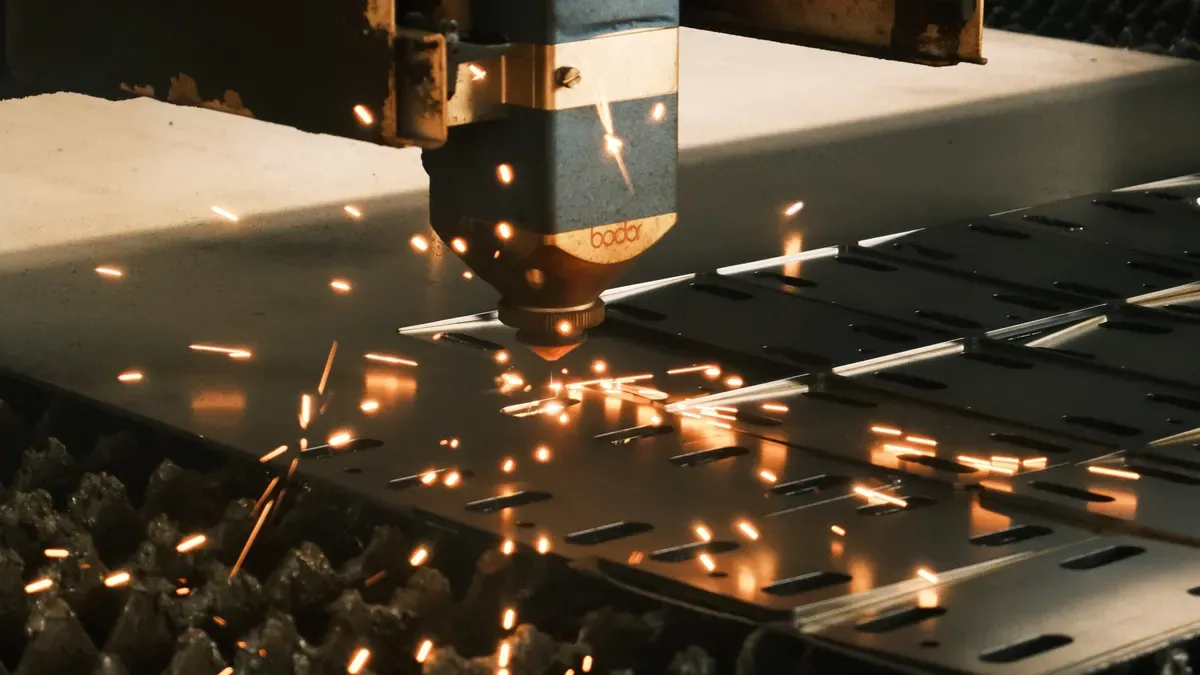
Worn consumables instantly ruin your cut quality during daily shop operations. You will notice ugly metal buildup and distorted edges on metal plates. Avoid common cutting mistakes by inspecting your torch parts early. Choosing wrong parameters or using damaged nozzles changes how heat transfers into the metal.
Common defect | Role of worn consumables |
|---|---|
Edge distortion | Worn cutting tips leave edges rough or irregular. |
Excessive dross | Worn tips allow excess molten metal on edges. |
Heat zone | Damaged tips enlarge the heat-affected area. |
Undercutting | Worn parts cause arc to cut below surface. |
Overcutting | Worn parts cause arc to cut above surface. |
A damaged nozzle alters your plasma arc shape and creates bad bevel angles. The jet energy shifts, leaving top spatter along the edge.
A worn nozzle concentrates energy on top of the kerf.
An out-of-round orifice creates irregular bevels on your parts.
Cutting too fast with a blown tip creates heavy dross.
Starting your machine becomes difficult when internal parts fail. You might hear the pilot arc flicker or stop mid-job. Damaged electrodes prevent smooth spark formation. Inspect your torch assembly whenever your system experiences start failures.
The swirl ring spins gas to focus and cool the plasma arc. Cracks or clogged holes disrupt this crucial gas stream. That disruption prevents the arc from centering correctly through the nozzle opening. Replace damaged swirl rings right away to fix arc misfires and maintain proper cut quality.
Operators often make simple mistakes like ignoring dirty shield caps. Cutting too fast through metal stresses worn parts further. Replacing your consumable stack restores reliable ignition.
Check internal torch parts whenever taking the torch apart. Damaged, dry, or missing O-rings let air leak in the gas path. These leaks ruin arc stability and create unsafe cutting conditions.
The swirl ring guides airflow inside the torch head, so a worn swirl ring changes air movement around parts, which makes the arc jump around and hurts cutting power.
A broken swirl ring messes up the gas stream around your electrode. Clogged holes or cracks push the plasma arc off-center. This problem makes slanted cuts, bad starts, and quick nozzle failure. Always replace damaged O-rings and bent swirl rings together to fix your torch.
Clear physical damage shows that your consumable parts are totally worn out. Catching surface flaws early protects your expensive torch equipment.
Damage indicator | Inspection/symptom requiring replacement |
|---|---|
Heat discoloration | Thermal stress shows on caps or parts |
Warping / deformation | Components fail to seat correctly |
Melted edges | Outer edges melt from excess heat |
Thread damage | Galling or wear stops reliable assembly |
Carbon buildup | Electrical tracking damages the cap body |
Orifice damage | Hole becomes oval, burned, or chipped |
Good workers practice smart care routines to prevent bad torch damage. Picking the right consumables helps parts handle your exact cutting power. Clean compressed air keeps water from ruining smooth inside surfaces. Avoid basic cutting errors like setting bad pierce heights or dragging tips. Use a little o-ring lube to keep seals soft without collecting dirt. Proper habits protect your plasma cutter consumables and keep your shop running smoothly when using consumables.
Checking your parts with your eyes stops major torch breakdowns early. Consumables for plasma cutters account for 15–25% of all shop expenses. Keeping torch pieces clean improves your cut accuracy and reduces wasted metal. Do fast checks during regular care to prevent sudden work stops. Check your current tool stash today and swap worn items now to maintain steady work.
Look at your plasma torch pieces before starting any job. Fast eye checks let you find inner damage early and stop sudden work stops.
Damaged nozzles and bad torch height setups ruin arc forms. These problems spoil cut quality by making extra dross, rough sides, and slanted edges.
Keep your air supply dry and choose proper torch distances. Stopping easy setup errors keeps parts working longer and defends your inner torch setup.


